Electronics
Last updated
Specialty metals and polymers make today's electronics possible

Need help choosing a material?
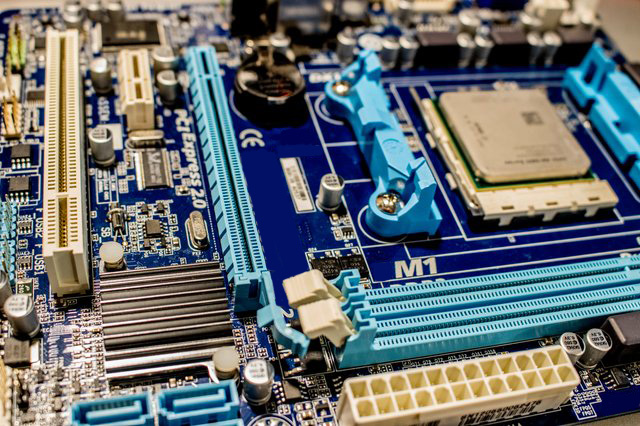
Electronics are in every facet of our life, from computers and cell phones to entertainment and wearable medical devices. They are no longer just an accessory but a critical component of society – and so are the specialty materials that make them possible. From high purity clean rooms to non-conductive polymers and corrosion resistant super alloys, specialty materials make our electronics possible.
Corrosion Focus
Like many other industries manufacturing is prone to corrosive environments. The electronics industry requires a multitude of strong acids such as hydrofluoric, sulfuric hydrochloric and piranha acid solutions for semiconductor etching, name a few. To deal with production as well as waste handling specialty materials are necessary.
- Monel bolts have the unique ability to resist hydrofluoric acid across most temperatures and concentrations – HF is key to manufacturing silicon components.
- Hastelloy C276 fasteners also play a role in semiconductor production for their resistance to sulfuric acid.
- Hastelloy C22 and Incoloy are used to prevent corrosion from strongly oxidizing nitric acid.
High Purity Focus
Another aspect of the semiconductor industry, is the need for high purity materials that will not off-gas or contaminate sensitive electronics. Often high purity engineered polymers are utilized in these environments they can achieve the desired levels of purity an be non-conductive as well.
- PEEK fasteners are extremely stable in hostile environments. This polymer will not react with most acids and is very temperature stable as well.
Non-Conductive & Electrical Focus
- Tantalum’s extremely high capacitance (ability to store electric charge) makes it critical for laptops, cell phones, and even medical devices.
- PEEK, PVDF and PTFE screws offer the electronics industry superior dielectric strength to insulate from electric fields.
- Ceramic fasteners made of Alumina and Zirconia also make excellent electronic insulators.