254 SMO Fasteners - Bolts, Screws & Nuts
Last updated
A corrosion resistant 6Mo alloy for high chloride environments

Need help choosing a material?
-
General and localized resistance to saltwater and chlorides
- Strength almost 2x's 300 series stainless
- 254 SMO Mechanical properties
- Strength and corrosion charts
- Datasheet for 254 SMO fasteners
254 SMO (1.4547) fasteners are made of a high-end stainless steel alloy that was developed for resistance to saltwater and chloride corrosion. This 6-Moly (6% Molybdenum) alloy has good localized corrosion resistance and 254 SMO provides much higher strength than other austenitic stainless steels. 254 SMO bolts are an ideal choice for high chloride environments including brackish water, seawater and other applications that demand heavy use of chlorines and chlorides. Compared to sister 6-Moly alloy AL6XN, 254 SMO fasteners offer slightly less high temperature stability corrosion resistance and strength.
Key Attributes
- Good resistance to pitting & crevice corrosion
- Good resistance to stress corrosion cracking
- Good general corrosion resistance
- Good strength nearly twice that of 300 series steels
- High ductility and impact strength
- Low carbon content for reduced risk of carbide precipitation during heating
Applications
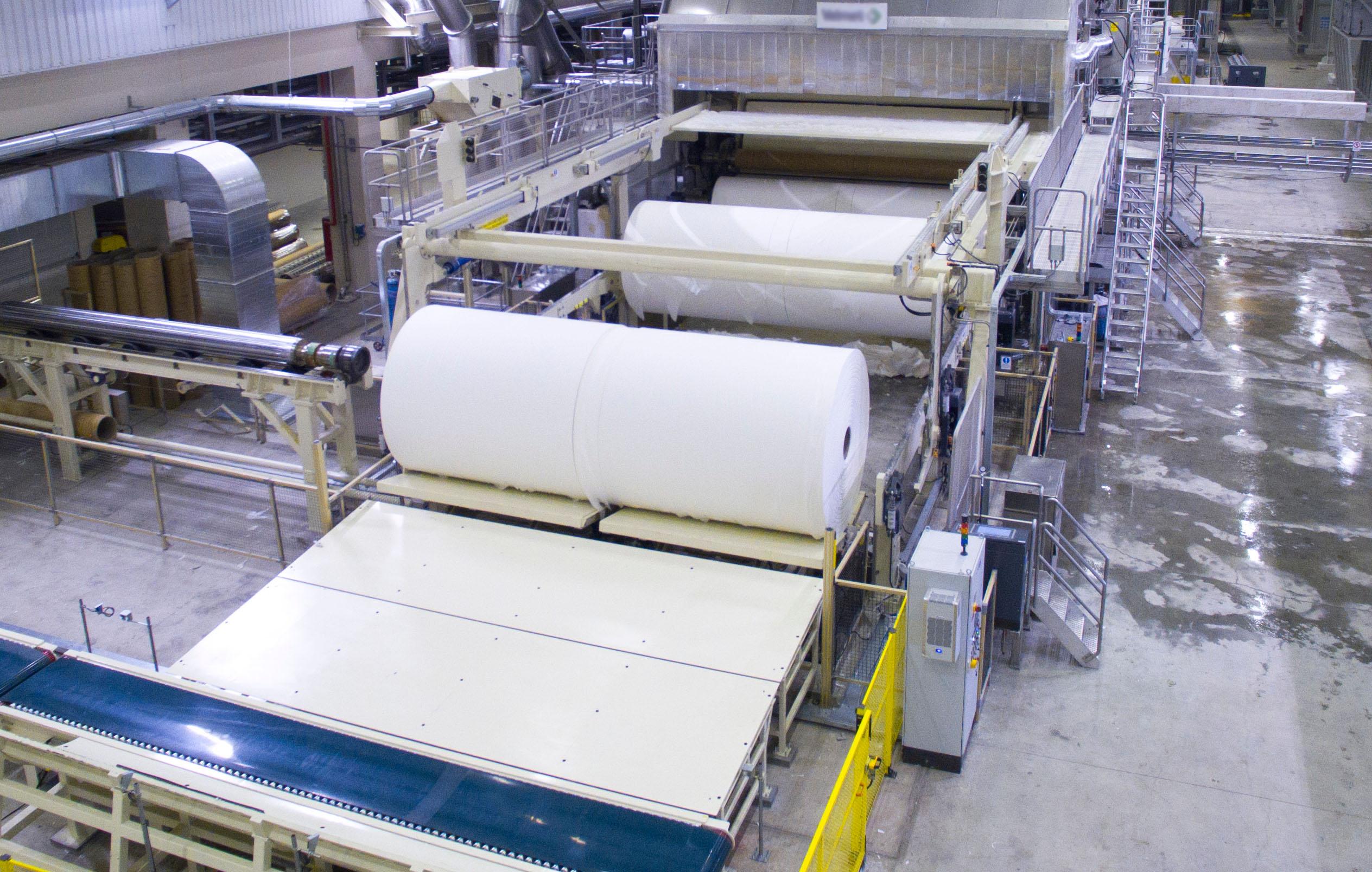
- Often used in industries that require bleach such as pulp & paper
- Seawater protection for off-shore oil
- Saltwater applications such as desalination
- Chemical and food processing equipment
- Flue-gas cleaning and desulfurization scrubbers
| 254 SMO | Fe | Cr | Ni | Mo | Cu | Mn | Si | N | P | C | S |
|---|---|---|---|---|---|---|---|---|---|---|---|
| Min % | - | 19.5 | 17.5 | 6.0 | 0.5 | - | - | 0.18 | - | - | - |
| Max % | Bal | 20.5 | 18.5 | 6.5 | 1.0 | 1.0 | 0.8 | 0.20 | 0.03 | 0.02 | 0.01 |
| Properties | Metric | Imperial |
|---|---|---|
| Tensile Strength | 680 Mpa | 98.6 ksi |
| Yield Strength | 300 Mpa | 43.5 ksi |
| Elongation at Break | 50% | 50% |
| Modulus of Elasticity | 195 GPa | 28300 ksi |
| Shear modulus | 75 GPa | 10900 ksi |


254 SMO Seawater Corrosion
Crevice Corrosion Tests in Seawater: Percentage of Sites Attached
| UNS | % Sites Attacked | |
|---|---|---|
| AL6XN | N08367 | 0% |
| Hastelloy C276 | N10276 | 0% |
| 254 SMO | S31254 | 6% |
| 1925hMo | N08926 | 6% |
| 316 / 316L | S31603 | 75% |
Source: LaQue Center for Corrosion Studies | ||
254 SMO fastener styles
254 SMO Screws


254 SMO Bolts


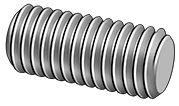
254 SMO Studs & Threaded Rods

254 SMO Washers


254 SMO - Frequently Asked Questions
Answers from our engineers, drawn from the 254 SMO technical questions we're asked most.
I’ve been using 254 SMO bolts and am happy with their corrosion resistance but need a little more high temperature stability as sometimes our process can go up to 800F. Any suggestions?
254 SMO bolts are in a class of material called 6 Moly alloys. Another 6 Mo alloy that has similar chemistry to 254 SMO is AL6XN. AL6XN bolts offer slighter higher corrosion resistance as well as high temperature capabilities with a usable temperature limit of 1000F compared to 700F of 254 SMO.
I need a material with slightly more corrosion resistance than the Super Duplex bolts I’m using. I’m using them in heated salt water for desalination and over time experiencing slight corrosion. Anything that could withstand the salt water better?
You have a lot of options. One may be 254 SMO bolts which offers slightly higher resistance to salt water than Super Duplex 2507 bolts. You could also go a step further and try AL6XN bolts or titanium bolts. On a scale of salt water resistance Super Duplex bolts offers good resistance, then 254 SMO slighter more, AL6XN following and titanium bolts offers the best. Both AL6XN and 254 SMO fasteners provide less strength than Super Duplex.If strength is a concern, you may want to use Titanium grade 5 bolts which provides excellent salt water resistance and greater strength compared to Duplex 2507.
How does 254 SMO compare with Alloy 20 and AL6XN? Can it handle sulfuric acid?
To answer your first question, I’ve ranked each of these specialty alloys in terms of their general corrosion resistance to sulfuric acid:1. Alloy 20 Most2. AL6XN Moderate3. 254 SMO LeastOverall these alloys all perform well in saltwater and chloride environments, but for an acid application like sulfuric acid, you would likely want to choose a more robust alloy like Alloy 20 fasteners (though it always depends on the concentration and temperature of the acid environment). For strong sulfuric acid environments 254 SMO bolts are not a good fit. Alloy 20 bolts are designed to provide a moderate range corrosion resistance to sulfuric acid, specifically in the range of 20% to 40% in concentration. In hot sulfuric acid Alloy 20 bolts are known for their resistance to stress-corrosion cracking. If you are dealing with a harsher sulfuric acid environment, I’d recommend Hastelloy boltsas they can be used in much higher sulfuric acid concentrations and at elevated temperatures.
I’m looking for a material that can service a brackish water environment with high strength around 100ksi, would SMO 254 work for me?
In terms of the corrosion resistance, yes, but for strength you are right on the edge of the capabilities for 254 SMO fasteners. 254 SMO bolts have a ultimate tensile strength of about 98 ksi so to be safe I would recommend Duplex 2205 bolts which provide excellent chloride resistance and have an ultimate tensile strength of 110ksi. If you want a little more breathing room in terms of strength you could use Super Duplex 2507 fasteners which offer 125ksi of tensile strength as well as improved corrosion protection.
What our customers say
More customer feedback“I purchased from you specifically because of Jon’s expertise and professionalism.”
“Very impressed; good prices and delivered earlier than lead time given, which was a real bonus.”
“Extreme Bolt is definitely on my go-to list.”