Pharmaceuticals
Last updated
Specialty fasteners for corrosion resistance and ultra high purity

Need help choosing a material?
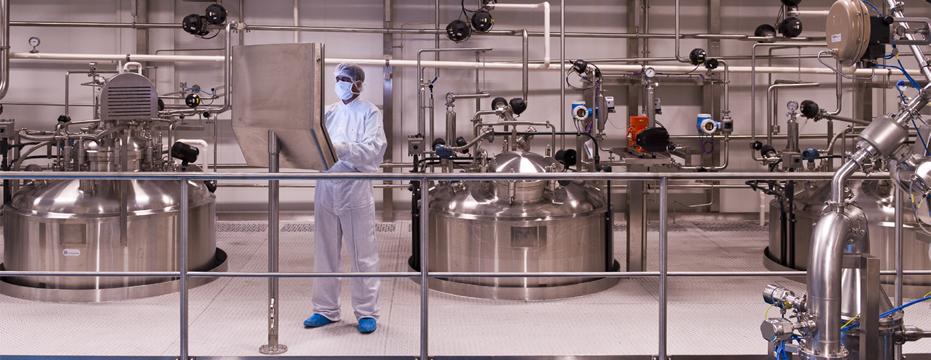
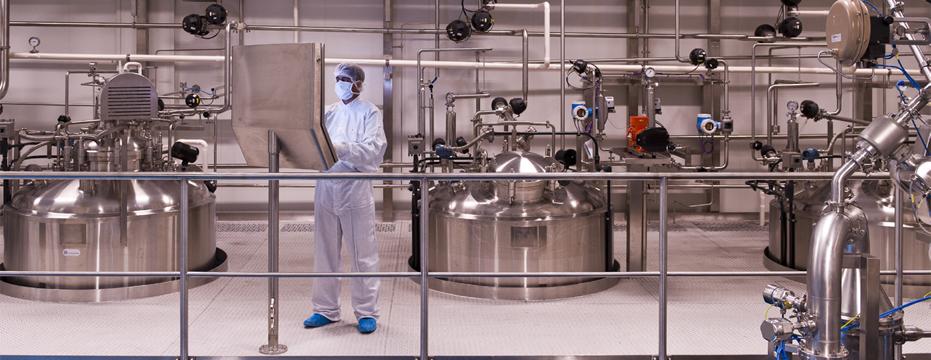
Similar in many ways to the chemical processing industry, the pharmaceutical and bio-processing industry is also faced with a host of additional material challenges including the ability to withstand tough cleaning cycles and maintain high levels of purity that are necessary to guarantee product integrity. Specialty metals and engineered polymers screws must be able to operate in any combination of highly corrosive environments and elevated temperatures, while also maintaining an ultra-pure, contamination-free environment.
Corrosion Focus
Traditionally, 316L stainless was the workhorse of the pharmaceutical and bio-processing industry, but today nickel alloys like Hastelloy and extreme materials like tantalum are increasingly common. These super materials provide enhanced corrosion resistance to the high temperature, chloride environments that are further induced with acidic and alkali solutions.
- Hastelloy screws and bolts provide their renowned resistance to harsh acids and alkalis as well as virtual immunity to chlorides.
- Tantalum bolts provide the ultimate resistance to the most severe acids including hydrochloric and sulfuric at high temperatures.
- Super Duplex steels provide an economic solution for resistance to chloride production environments or cleaning regimes when 316 isn’t holding up.
- PVDF screws can withstand corrosion from harsh chemicals in low temperature settings.
- PTFE screws offer usability to 500F and are inert to most organics, acids, and bases, including hyrdofluoric acid.
High Purity Focus
To produce the drugs we depend on, the pharmaceutical developers and manufacturers must operate in ultra-high purity environments in order to provide guaranteed protection from any kind of product contamination. These materials must not only do their mechanical job, but also not leach into any sensitive pharmaceutical products. Commonly fluorpolymers such as PFA and PTFE are used for their bio and chemical inertness.
- PTFE screws provide ultra purity with approval by FDA, USDA, NSF and USP Class IV.
- PEEK screws offer low out gassing and particle generation, as well as purity with medical grades available.
- Tantalum is the ultimate metal in terms of inertness and will not react in most chemical or biological environments.