Power Generation
Last updated
Specialty material fasteners make all energy possible

Need help choosing a material?
Coal Power Plants
We all depend on coal powered electricity, whether for the kitchen light or a work laptop. And coal power depends on specialty materials for their corrosion resistance to flue gas desulfurization and high temperature stability.
- Alloy 20 bolts are a go-to material for their resistance to 20-40% concentration sulfuric acid.
- Hot sulfuric acid is a common problem facing coal production and Hastelloy C276 bolts offer a reliable solution.
- Incoloy 825 bolts are key to coal pollution control as they are used for their resistance to phosphoric acid, sulfuric acid, and sulfur-containing flue gases.
- For temperatures up to 2000°F, materials like 310 stainless can provide high temperature stability and oxidation resistance.
Solar Panel Manufacturing
Producing solar panels is a complex, multi-step process that involves many corrosive acids.
- The production of semiconductors used in solar panels requires both hydrochloric and sulfuric acid. Hastelloy bolts are a go-to material for HCl and H2SO4 protection.
- Hydrofluoric acid (HF) is a highly corrosive acid required for etching silicon dioxide layers. Monel 400 bolts are one of the few material resistant to HF corrosion.
- Incoloy bolts protect from highly oxidizing nitric acid used in solar panel production.
Off-Shore and Coastal Wind Farms
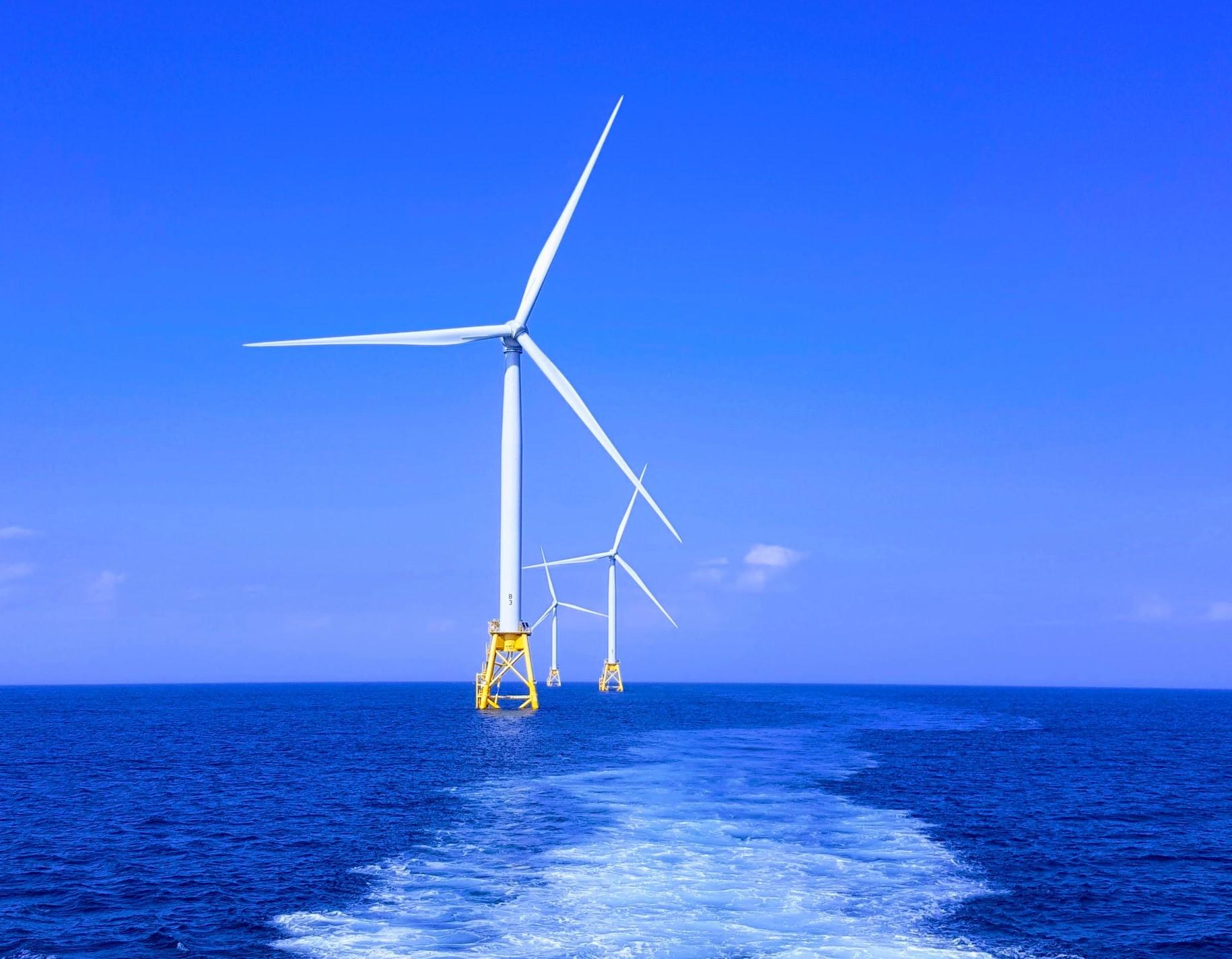
Wind farms can only create clean energy with the help of specialty materials. Off-shore and coastal wind farms require fasteners that are both strong and resistant to seawater and salt air.
- Monel K500 bolts provide off-shore wind farms protection from saltwater as well as 160ksi ultimate tensile strength.
- For a combination of superior saltwater resistance and strength, titanium grade 5 bolts are a common choice.
- Offering twice the yield strength of 300 stainless steel, as well as saltwater protection, Duplex 2205 and Super Duplex 2507 bolts are also a choice for offershore wind.
Gas Power Generation
Conventional power generation requires steam or hot combustion gas driven turbines. Gas flowing through typical turbines can be as hot as 2300°F, with cooling mechanisms only lowing the temperature to 1500-1700°F. Specialty metals are put to work to deal with this extreme heat.
- Steam generators often use Incoloy 800 bolts are commonly use for temperatures above 1500°F
- Inconel 600 and 625 fasteners are key in gas turbine engines because of their usability to 2000°F
- Ceramic screws like Alumina (2000°F) and Zirconia (3000°F) are also used in combustion chambers and other high temperature parts
- High temperature exhaust streams employ A286 bolts for their high temperature strength.
Fusion
Within the magnetic confines of a fusion reactor temperatures flare hotter than the sun at over 100 million degrees celsius. Extreme heat, radiation, and electrical and magnetic insulation are just a few of the material challenges engineers face. Here are a few materials helping to make fusion a future energy source.
- Tungsten and molybdenum screws have extremely high melting points. This makes these materials ideal for the extreme temperatures of a fusion reactor for plasma-facing components.
- Zirconia and alumina ceramic screws are used for their extreme high temperature resistance, thermal protection, and electrical insulation. In addition, ceramic fasteners are also used for their ability to avoid interference with magnetic fields.
- Nickel alloy bolts, particularly Inconel 625 and 718 play a role as structural and plasma-facing components due to their high-temperature strength, corrosion resistance, and ability to withstand extreme radiation.