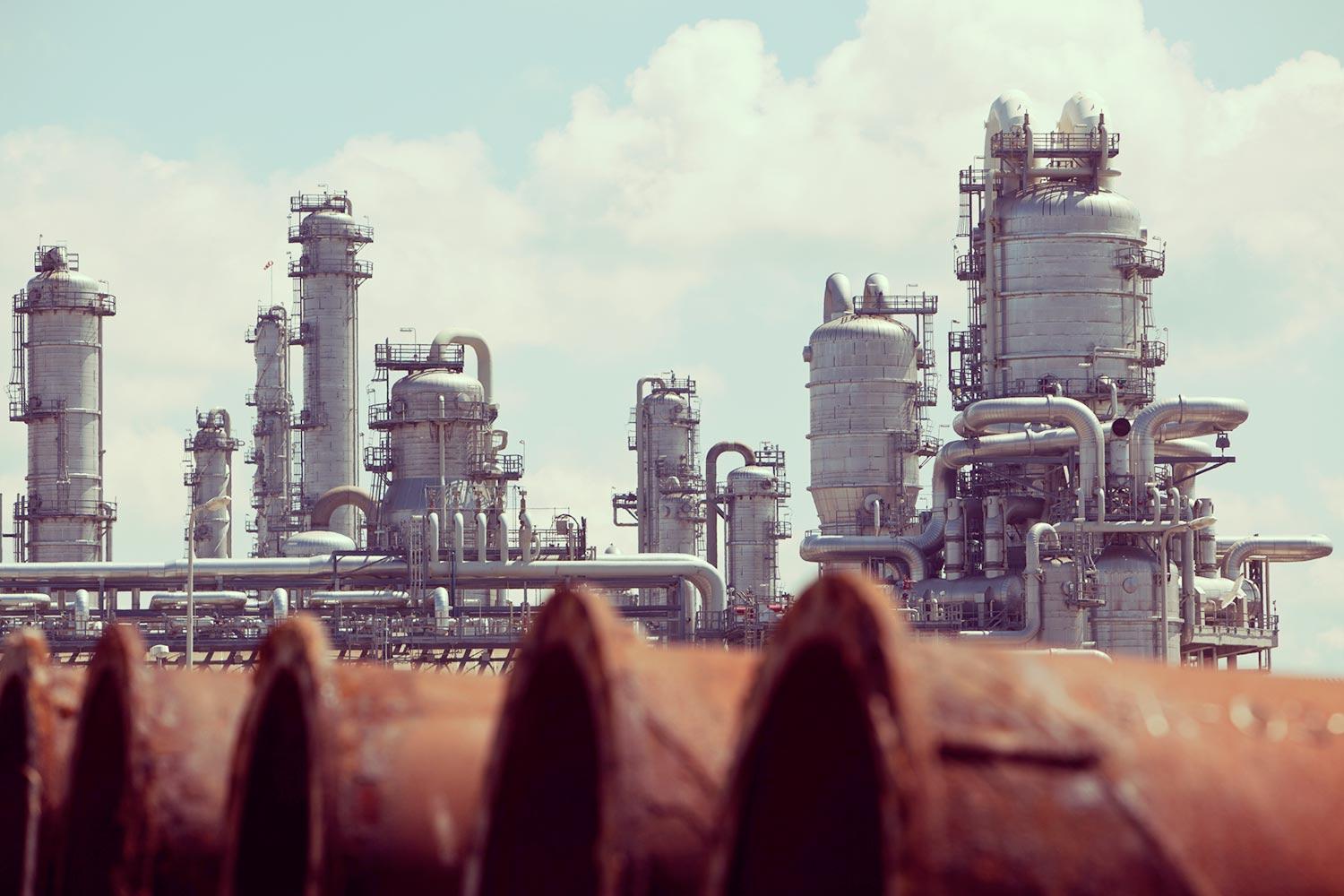
Match the material to the environment.
Last updated
What does it have to survive?
Every fastener failure traces back to a material chosen for the wrong service condition. Start with the environment — heat, chemistry, magnetism, conductivity, strength, or vacuum — and we'll point you to the alloys and polymers that survive it.
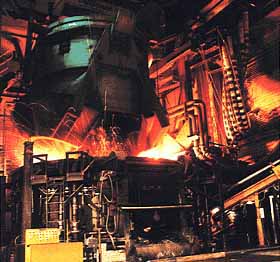
High Temperature
Strength and oxidation resistance from 600°F to 2000°F+ — exhaust, furnace, and turbine service.
View High Temperature
Corrosion & Chemical
Acids, alkalis, chlorides, and sour service — where stainless pits, cracks, or dissolves.
View Corrosion & Chemical

Non-Magnetic
Low magnetic permeability for MRI, sensor, and instrumentation environments.
View Non-Magnetic
Non-Conductive
Dielectric, electrically insulating fasteners for electronics and high-voltage assemblies.
View Non-Conductive
High Strength
Tensile strength to 230 ksi where Grade 8 steel isn't enough and weight or corrosion matters.
View High Strength
Light Weight
Strength-to-weight for aerospace, medical, and motorsport mass-budget assemblies.
View Light Weight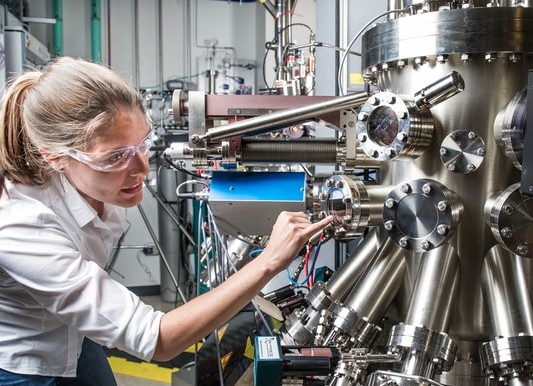
High Purity
Outgas-free, FDA/USP-grade fasteners for semiconductor, pharmaceutical, and food processing.
View High Purity